
Tanzania’s Top 5 Family Safari Destinations
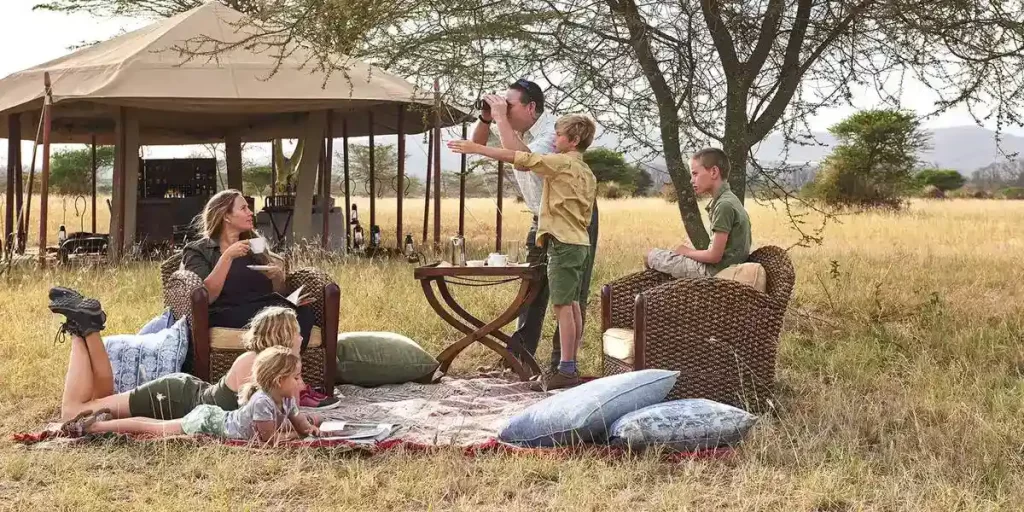
Tanzania’s Top 5 Family Safari Destinations Table of Contents Popular Posts Best Family Safari Destinations in Tanzania Embarking on a family safari in Tanzania is not just a vacation; it’s an odyssey that weaves together awe-inspiring landscapes, remarkable wildlife, and unforgettable bonding moments. In this guide, we unveil the top 5 family safari destinations meticulously chosen based on both popularity and Google Trends data. Let’s delve into the unparalleled experiences that Tanzania has to offer for families seeking adventure and connection. Destination 1: Serengeti National Park Serengeti’s name resonates as a wilderness icon, where the epic Great Migration unfolds, captivating hearts worldwide. Witnessing millions of wildebeest, zebras, and predators in a timeless dance of survival is a humbling encounter for families. As one traveler aptly described, “In the Serengeti, nature’s drama becomes our own.” Destination 2: Ngorongoro Conservation Area Ngorongoro Crater’s marvels are a testament to nature’s artistry. Imagine gazing into the world’s largest intact volcanic caldera, home to a rich concentration of wildlife. “We found ourselves surrounded by a living Eden,” one visitor recounted, as families witness lions, rhinos, and countless other species against a breathtaking backdrop. Destination 3: Tarangire National Park Tarangire, with its ancient baobab trees and herds of elephants, paints an enchanting family portrait. A visitor once said, “Tarangire is where the heartbeat of Africa resonates closest.” The sheer diversity of wildlife and the sense of connection to the wilderness captivate young and old alike. Destination 4: Lake Manyara National Park Lake Manyara’s gentle shores embrace an avian wonderland, painting a serene picture for families. As one traveler expressed, “The harmony of flamingos against the lake’s hues felt like a symphony of nature.” Tree-climbing lions and diverse ecosystems ensure that every member of the family is enthralled. Destination 5: Ruaha National Park Ruaha, Tanzania’s hidden gem, evokes the feeling of discovering a forgotten world. A visitor once mused, “Ruaha whispers its secrets softly; the thrill is in the hunt.” Families delve into an untouched wilderness, encountering wild dogs, elephants, and landscapes that speak of eons past. Beyond Safari: Cultural Immersion While the wildlife takes center stage, Tanzania’s cultural tapestry enriches the experience. Engaging with local tribes provides insights into traditions that span generations. “We found ourselves dancing to the rhythm of Maasai songs,” a traveler shared, illustrating the connection families can forge. A family safari is a unique opportunity to bond and create lasting memories, and Tanzania offers some of the best family safari destinations in the world. Whether you’re exploring the wilds of the Serengeti, the majestic Ngorongoro Crater, or the picturesque landscapes of Tarangire, each location has something special for families. From thrilling game drives to cultural experiences with local tribes, the best family safari destinations offer a chance to learn, explore, and grow together. When planning your family safari, consider the age of your children and the type of experience you’re looking for. Some best family safari destinations in Tanzania offer family-friendly lodges, where children can enjoy nature walks, animal tracking, and educational programs. Others offer more adventure-focused options, such as walking safaris or camping under the stars. Regardless of the experience, Tanzania’s best family safari destinations will immerse you in nature’s beauty while ensuring that there is something for everyone to enjoy. For families seeking a blend of wildlife encounters and relaxation, the best family safari destinations provide access to pristine beaches like those in Zanzibar, where you can unwind after your thrilling safari. Whether you’re visiting the best family safari destinations for their wildlife, landscapes, or cultural heritage, Tanzania offers a rare chance to introduce your children to the wonders of the natural world. In conclusion, the quintessence of Tanzania lies not just in its landscapes but in the connections families build amidst its wilderness. Your family safari is a chapter in Tanzania’s story, etched in the annals of your legacy. Book your adventure today with Eastern Sun Tours and Safaris, and let the best family safari destinations enrich your family’s tale. Their expert guides will ensure a memorable and safe journey, making every moment of your Tanzania safari an unforgettable experience for the entire family.
Mikumi national park

Explore Mikumi National Park: Tanzania’s Accessible Wildlife Haven Introduction to Mikumi National Park Mikumi National Park, located in southern Tanzania, is one of the country’s most accessible and popular national parks, covering over 3,230 square kilometers. Just a few hours’ drive from Dar es Salaam, Mikumi offers a fantastic opportunity to experience Tanzania’s incredible wildlife and landscapes without venturing too far from the city. Known for its open plains, mountain backdrops, and impressive wildlife density, Mikumi provides an ideal safari experience for visitors of all ages. Landscapes and Ecosystems of Mikumi National Park The landscapes of Mikumi National Park are diverse and beautiful, featuring open savannahs, seasonal rivers, miombo woodlands, and the scenic Uluguru and Rubeho mountains in the background. The Mkata Floodplain is one of the park’s most iconic areas, resembling the plains of the Serengeti and serving as a vital water source during the dry season. The Mkata Floodplain: Heart of Mikumi The Mkata Floodplain is a vast, open savannah where wildlife is frequently spotted, making it the park’s main game viewing area. Animals are attracted to the plains during the dry season, creating excellent opportunities for observing large herds and predators. The floodplain’s ecosystem is vital to sustaining Mikumi’s wildlife and offers some of the most picturesque views in the park. Wildlife in Mikumi National Park Mikumi National Park is home to a rich array of wildlife, including many of Africa’s most iconic species. Its varied habitats support high animal populations, making it an ideal destination for game viewing. Whether you’re hoping to see large mammals or colorful birds, Mikumi has something for everyone. Notable Wildlife in Mikumi Elephants – Mikumi has a healthy population of elephants that roam freely across the plains and woodlands. Lions – Known for their tree-climbing behavior, Mikumi’s lions are often seen resting in the branches of acacia trees or on the open plains. Giraffes and Zebras – These herbivores are commonly seen grazing on the Mkata Floodplain, providing iconic safari scenes. Buffalo and Wildebeests – Large herds of buffalo and wildebeests are often spotted near the park’s water sources, especially during the dry season. Birdlife – With over 400 bird species, including fish eagles, hornbills, and lilac-breasted rollers, Mikumi is a haven for bird watchers. Best Time to Visit Mikumi National Park Mikumi National Park is a year-round destination, but the best time for wildlife viewing is during the dry season, from June to October. During these months, animals congregate around water sources, making them easier to spot. The wet season, from November to May, brings lush greenery and is ideal for bird watching, as migratory birds arrive, though wildlife viewing may be more challenging due to the dense vegetation. Activities and Safari Experiences in Mikumi Mikumi National Park offers a range of activities that allow visitors to experience its stunning landscapes and diverse wildlife. The park’s accessibility and infrastructure make it a great choice for day trips, weekend getaways, and extended safaris. Top Activities in Mikumi National Park Guided Game Drives – Game drives are available throughout the day and are the best way to explore the park’s diverse landscapes and spot its abundant wildlife. Walking Safaris – Accompanied by a park ranger, walking safaris offer an immersive experience of Mikumi’s flora and fauna. Bird Watching – With hundreds of bird species, Mikumi is a fantastic destination for bird enthusiasts, especially during the migratory season. Photography – The park’s scenic landscapes, iconic animals, and stunning sunsets make it an ideal location for photography. The Hippo Pools of Mikumi One of Mikumi’s highlights is its hippo pools, where visitors can observe hippos in their natural habitat. The pools provide a reliable water source for hippos year-round, and it’s common to see them lounging in the water alongside crocodiles. These pools also attract various bird species, making them a popular spot for bird watchers and photographers. Conservation Efforts in Mikumi National Park Mikumi National Park is part of Tanzania’s larger conservation strategy, which aims to protect the country’s rich biodiversity while promoting sustainable tourism. Conservation efforts focus on preserving the park’s wildlife, managing human-wildlife interactions, and protecting the natural habitat from environmental threats. Sustainable tourism initiatives help ensure that Mikumi remains a thriving wildlife sanctuary for future generations. Getting to Mikumi National Park Located just 283 kilometers from Dar es Salaam, Mikumi National Park is one of Tanzania’s most accessible parks. Most visitors choose to drive from Dar es Salaam, a journey that takes about four to five hours. Alternatively, domestic flights are available from Dar es Salaam to Mikumi’s nearby airstrip, making it easy to reach for those with limited time. Accommodation Options in Mikumi National Park Mikumi offers a range of accommodations, from comfortable lodges to budget-friendly campsites. Whether you prefer luxury or simplicity, you’ll find suitable options that allow you to experience the park’s wilderness in comfort. Where to Stay in Mikumi National Park Luxury Lodges – These lodges offer upscale amenities, beautiful views, and proximity to the park’s main attractions for a more luxurious experience. Tented Camps – For an authentic safari experience, tented camps provide a comfortable stay close to nature. Budget Campsites – Ideal for travelers on a budget, these campsites offer basic facilities and a great way to enjoy Mikumi’s natural beauty affordably. Travel Tips for Mikumi National Park Here are some helpful tips to make the most of your visit to Mikumi National Park: Plan for Early Morning Game Drives – Wildlife is most active in the early morning, so plan your game drives around sunrise for the best sightings. Bring Binoculars – With Mikumi’s abundant birdlife, binoculars are essential for bird watching and spotting distant animals. Prepare for Varied Weather – The park can get hot during the day, so bring sun protection, and be prepared for cool evenings, especially during the dry season. Respect Wildlife – Always follow park rules, maintain a safe distance from animals, and avoid disturbing their natural behavior. Mikumi National Park offers a fantastic safari experience, combining
Ruaha National Park

Explore Ruaha National Park: Tanzania’s Untouched Wilderness Introduction to Ruaha National Park Ruaha National Park, located in southern Tanzania, is the country’s largest national park, covering over 20,000 square kilometers. Known for its rugged and remote wilderness, Ruaha offers an authentic safari experience with vast landscapes, diverse ecosystems, and an incredible concentration of wildlife. Often overlooked by visitors, Ruaha remains one of Tanzania’s best-kept secrets, making it an ideal destination for those seeking solitude and unspoiled nature. Landscapes and Ecosystems of Ruaha Ruaha National Park boasts a variety of landscapes, from rolling hills and river valleys to dense woodlands and open savannahs. The park is divided by the Great Ruaha River, which serves as a crucial water source for wildlife, especially during the dry season. The mix of ecosystems within Ruaha supports a rich diversity of flora and fauna, making it a unique destination for nature lovers and adventurers. The Great Ruaha River: Lifeline of the Park The Great Ruaha River is the park’s main artery, providing essential water to the animals and creating lush habitats along its banks. During the dry season, the river attracts large concentrations of wildlife, making it a prime spot for game viewing. The river is also home to numerous crocodiles and hippos, which can be observed in large numbers, especially as water sources shrink. Wildlife in Ruaha National Park Ruaha National Park is famous for its impressive wildlife populations, particularly elephants, predators, and rare antelope species. The park’s remote location and lack of crowds make wildlife viewing in Ruaha an exclusive and intimate experience. Notable Wildlife in Ruaha Elephants – Ruaha has one of the largest elephant populations in East Africa, often seen in large herds along the river and savannahs. Lions – Known for their large prides, the lions of Ruaha are frequently spotted near water sources and on the open plains. Cheetahs and Leopards – Ruaha is a great place to see cheetahs in the open grasslands and leopards in the more wooded areas. Rare Antelope Species – Ruaha is home to species like the sable, roan, and lesser kudu, making it a unique destination for observing these elusive animals. Birdlife – With over 570 recorded bird species, including fish eagles, kingfishers, and hornbills, Ruaha is a bird-watcher’s paradise. Best Time to Visit Ruaha National Park The best time to visit Ruaha National Park is during the dry season, from June to October. During these months, animals gather around water sources, making them easier to spot. However, the wet season (November to April) transforms the park into a lush green landscape and is ideal for bird watching and seeing migratory birds. Wildlife is still abundant, though animals may be more dispersed. Activities and Safari Experiences in Ruaha Ruaha National Park offers a range of safari activities that allow visitors to explore the park’s rugged landscapes and diverse wildlife in unique ways. Top Activities in Ruaha National Park Guided Game Drives – Game drives offer excellent opportunities for spotting wildlife along the river, savannahs, and hills. Drives are available throughout the day, including early morning and evening safaris. Walking Safaris – Accompanied by experienced guides, walking safaris allow you to explore Ruaha on foot, providing a closer connection to the park’s flora and fauna. Bird Watching – With its rich birdlife, Ruaha is a fantastic destination for bird enthusiasts, offering sightings of both resident and migratory species. Night Game Drives – Ruaha is one of the few parks in Tanzania that offers night drives, giving visitors a chance to see nocturnal animals and experience the park after dark. The Baobabs of Ruaha Ruaha National Park is renowned for its ancient baobab trees that dot the landscape, creating a dramatic and iconic scenery. These massive trees, some of which are thousands of years old, provide shelter and food for various animals. They also make for stunning photography, particularly at sunrise and sunset. Conservation Efforts in Ruaha National Park Ruaha National Park is part of Tanzania’s larger conservation efforts, with a focus on protecting its unique biodiversity and large mammal populations. Conservation projects aim to balance tourism and ecosystem preservation while involving local communities in sustainable practices. Anti-poaching initiatives and habitat protection are essential in maintaining Ruaha’s wild character and ensuring the survival of its wildlife. Getting to Ruaha National Park Located in southern Tanzania, Ruaha National Park can be reached by both air and road. The most convenient option is to fly from Dar es Salaam or Arusha to one of the park’s airstrips. Overland routes are available, though they are long and best suited for adventurous travelers. The park’s remote location adds to its allure, offering a truly wild and uncrowded safari experience. Accommodation Options in Ruaha National Park Ruaha offers a variety of accommodations, ranging from luxury lodges to more rustic camps, allowing visitors to experience the park in comfort while staying close to nature. Where to Stay in Ruaha National Park Luxury Lodges – These lodges offer all the comforts of home, with stunning views and premium services for a luxurious safari experience. Tented Camps – For a more authentic safari experience, tented camps provide a comfortable stay while immersing guests in the park’s natural surroundings. Mobile Camps – Mobile camps move with the wildlife, allowing guests to explore different areas of the park and experience the wilderness up close. Travel Tips for Ruaha National Park Here are some tips to help you make the most of your visit to Ruaha National Park: Plan for Remote Travel – Ruaha is remote and has limited amenities, so ensure all travel logistics are arranged in advance. Best Time for Wildlife Viewing – The dry season (June to October) offers optimal wildlife viewing as animals gather near water sources. Pack Essential Gear – Bring sun protection, insect repellent, binoculars, and appropriate clothing, as temperatures can vary greatly. Respect Conservation Efforts – Follow park rules and maintain a respectful distance from wildlife to support conservation efforts. Ruaha National Park is a destination that offers
Kilimanjaro peak: Dominate the 8-Day Lemosho route

Best Price Guaranteed No Booking Fees Professional Local Guide Description Embark on a thrilling 8-day adventure to reach the majestic peak of Kilimanjaro through the Lemosho route. Join Eastern Sun Tours and Safaris as they guide you through diverse landscapes, challenging terrains, and breathtaking views. Conquer the highest point in Africa and create memories to last a lifetime. Book your Kilimanjaro Lemosho route expedition today and prepare for an unforgettable journey. Itinerary Day to day Day 1: Arrival in Kilimanjaro Upon your arrival at Kilimanjaro International Airport, you will be warmly welcomed by the team from Eastern Sun Tours and Safaris. They will assist you with the transfer to your accommodation in Moshi or Arusha. Take this day to rest, acclimate to the new environment, and prepare for the upcoming adventure. Day 2: Lemosho Gate to Mti Mkubwa Camp After an early breakfast, we will drive to the Lemosho Gate (2,360m/7,742ft), the starting point of the Lemosho route. Here, we will complete the necessary registration formalities before embarking on our trek. The trail begins through the lush rainforest, filled with diverse flora and fauna. Our destination for the day is Mti Mkubwa Camp (2,820m/9,252ft), where we will set up our camp and spend the night. Day 3: Mti Mkubwa Camp to Shira 2 Camp Today, we continue our ascent through the rainforest, gradually leaving the tree line behind. The trail opens up to the vast Shira Plateau, offering breathtaking panoramic views of the surrounding landscape. We will trek to Shira 2 Camp (3,850m/12,631ft), where we will set up camp and spend the night. Day 4: Shira 2 Camp to Barranco Camp As we trek higher, we cross the barren Shira Plateau, enjoying the stunning views of the distant peaks. The trail then descends into the dramatic Barranco Valley, known for its unique rock formations and challenging terrain. We conquer the Barranco Wall, a thrilling section that requires some scrambling. Afterward, we reach Barranco Camp (3,960m/12,992ft), where we will spend the night. Day 5: Barranco Camp to Karanga Camp Today’s trek takes us through alpine desert landscapes as we make our way towards Karanga Camp (4,035m/13,200ft). The trail offers breathtaking views of the surrounding mountains, and we may catch glimpses of the glaciers in the distance. We will set up camp at Karanga Camp for the night. Day 6: Karanga Camp to Barafu Camp Leaving Karanga Camp behind, we continue our ascent towards Barafu Camp (4,640m/15,223ft), our final camp before the summit attempt. The landscape becomes rugged and rocky, and the air gets thinner. Take this day to rest, hydrate, and mentally prepare for the challenging summit night ahead. We will go to bed early to get sufficient rest. Day 7: Barafu Camp to Uhuru Peak and Mweka Camp We wake up in the middle of the night to start the summit push. The trek to Stella Point (5,685m/18,651ft) is demanding, but as the sun rises, we continue along the crater rim towards Uhuru Peak (5,895m/19,341ft). Standing at the summit of Kilimanjaro is an unforgettable experience. Take in the breathtaking views and capture the moment before we begin the descent. We will descend back to Barafu Camp to collect our belongings and continue down to Mweka Camp (3,080m/10,105ft) for our final night on the mountain. Day 8: Mweka Camp to Mweka Gate On the last day of our adventure, we descend from Mweka Camp to Mweka Gate (1,640m/5,380ft). The trail descends through the lush rainforest, offering a refreshing change of scenery. As we make our way down, take the time to reflect on the incredible journey and the achievement of reaching the summit. Upon reaching Mweka Gate, you will receive a well-deserved certificate of accomplishment. Take a moment to bid farewell to your guides and porters, expressing your gratitude for their support throughout the trek. descends through the lush rainforest, offering a refreshing change of scenery. As we make our way down, take the time to reflect on the incredible journey and the achievement of reaching the summit. Upon reaching Mweka Gate, you will receive a well-deserved certificate of accomplishment. Take a moment to bid farewell to your guides and porters, expressing your gratitude for their support throughout the trek. From Mweka Gate, our team from Eastern Sun Tours and Safaris will transfer you back to your accommodation in Moshi or Arusha. You can celebrate your successful summit of Kilimanjaro and reminisce about the unforgettable experiences you had along the Lemosho route. Book Now
Conquer the Machame Route: A 7-Day Adventure to Kilimanjaro Summit

Experience the ultimate adventure and conquer the breathtaking Machame Route on Mount Kilimanjaro. Join us on a remarkable 7-day journey to the summit of Africa’s highest peak. Discover the scenic beauty of dense rainforests, traverse through picturesque moorlands, and witness the awe-inspiring alpine deserts. This challenging route, also known as the “Whiskey Route,” will test your physical and mental limits, but the reward of standing atop Uhuru Peak is truly unparalleled. Embark on this extraordinary expedition and create memories to last a lifetime. Are you ready to conquer the Machame Route and reach new heights?
Tanzania Safari & Luxurious Beach Getaway – 7 Days

Best Price Guaranteed No Booking Fees Professional Local Guide Description This 7-day journey combines thrilling safaris with a luxurious beach getaway on the island of Zanzibar. Discover Tanzania’s stunning landscapes and diverse wildlife in iconic locations like Tarangire, Serengeti, and Ngorongoro Crater. Then, unwind on Zanzibar’s pristine beaches, exploring Stone Town, spice plantations, and vibrant coral reefs. Carefully curated to make the most of Tanzania’s best seasons, this trip offers a perfect balance of adventure and relaxation. Itinerary Day to day Day 1: Arrival in Arusha Arrive at Kilimanjaro International Airport, where you’ll be welcomed by your guide and transferred to your luxurious lodge in Arusha. Unwind and enjoy a warm welcome dinner as you settle in for the adventure ahead. Activities: Airport pickup and transfer to Arusha Welcome dinner and evening relaxation Accommodation:Luxury lodge in Arusha Day 2: Tarangire National Park Travel to Tarangire National Park, famous for its large elephant herds and iconic baobab trees. Enjoy an exciting game drive, spotting diverse wildlife around the Tarangire River. Activities: Full-day game drive in Tarangire National Park Picnic lunch within the park Accommodation:Luxury lodge in Tarangire (B, L, D) Day 3: Serengeti National Park Embark on a journey to Serengeti National Park, timing your visit to potentially witness the Great Migration. Explore the savannah on thrilling game drives, spotting wildebeest, zebras, and predators across the plains. Activities: Scenic drive to Serengeti National Park Game drive in Serengeti for wildlife and migration viewing (seasonal) Accommodation:Luxury camp in Serengeti (B, L, D) Day 4: Ngorongoro Crater and Maasai Village Visit Descend into the Ngorongoro Crater, a UNESCO World Heritage Site, for a day of wildlife encounters, including elephants, lions, and rhinos. Visit a Maasai village to learn about local culture before returning to your lodge for relaxation and optional spa treatments. Activities: Game drive in Ngorongoro Crater Visit to a Maasai village Accommodation:Luxury lodge on the crater rim (B, L, D) Day 5: Zanzibar Island – Beach Relaxation Fly to Zanzibar, where you’ll arrive at a luxurious beachfront resort. Spend the day relaxing on white sandy beaches, swimming in the Indian Ocean, or enjoying spa treatments. In the evening, enjoy a seafood dinner by the beach. Activities: Beach relaxation and optional spa treatments Evening seafood dinner with ocean views Accommodation:Beachfront resort in Zanzibar (B, L, D) Day 6: Stone Town and Spice Plantations Explore the rich culture of Stone Town and tour Zanzibar’s famous spice plantations. Wander through Stone Town’s narrow streets, shop in spice markets, and immerse yourself in the vibrant history of the island. Activities: Guided tour of Stone Town Spice plantation visit Accommodation:Beachfront resort in Zanzibar (B, L, D) Day 7: Marine Safari and Departure Start your day with a marine safari, snorkeling in the vibrant coral reefs around Zanzibar. Enjoy a beachside barbecue lunch and a farewell private dinner with live music and traditional dance before heading to the airport. Activities: Marine safari with snorkeling Beachside barbecue lunch Private beachfront farewell dinner Accommodation:N/A (Departure day) Departure:Transfer to Zanzibar Airport for your onward journey. Experience the best of Tanzania’s wildlife and Zanzibar’s tropical paradise with Eastern Sun Safari and Tours. Contact us to begin planning your luxurious 7-day adventure in East Africa! Day 1 – Arrive JRO – pick up and transfer to Arusha, overnight at Spa Hotel D&B Safari Day 1 Drive from Arusha to Tarangire National Park for game drive, Tarangire is famous for its huge number of elephants, baobab trees and tree climbing African pythons. Afternoon leave the park and drive to Karatu, overnight at a Safari Lodge B,L,D Safari Day 2 After breakfast drive to the Ngorongoro Crater, descend into the crater for 7 hours crater tour, at Ngorongoro Crater you may see everything from elephant to lion, and if you’re lucky, the near-extinct black rhino, all amongst large herds of zebra and wildebeest. Afternoon exit the crater and drive to the Serengeti National Park, overnight at a Serengeti Tented Camp B,L,D Safari Day 3 Full day game driving in the central Serengeti, overnight at Serengeti Tented Camp B,L,D Safari Day 4 Game drive in Serengeti, then drive to Karatu for overnight at Ngorongoro Lodge B,L,D Safari Day 5 After a leisure breakfast driven to Lake Manyara National Park for game drive,Lake Manyara is famous for a good number of baboons and bird-life, also home to herbivores such as hippos, impalas, elephants, wildebeests, buffalo, warthogs, and giraffes, giant fig trees and mahogany seen in the groundwater forest immediately around the park gates – later leave the park and driven to Arusha, drop to JRO for (late evening flight. 2 People Prices 2150 US$ per person 4 People Prices 1750 US$ per person 6 People Prices 1590 US$ per person ** B,L,D – Means Breakfast, Lunch, Dinner ** D&B – Dinner & Breakfast Prices include; 1 night accommodation in Arusha on Dinner & Breakfast, All national park fees, crater fee, Safari vehicle 4 wheel drive (4×4 7 Seats) Unlimited Millage, Professional English speaking driver guide, Accommodation on Full board basis all meals on Safari (Breakfast, Lunch & Dinners), Tanzania Brewed Local Beers + complimentary drinking bottled water; Book Now
Tanzania Adventure Tours – 5 Days

Best Price Guaranteed No Booking Fees Professional Local Guide Description Embark on a 5-day mid-range safari adventure with Tanzania Adventure Tours, exploring the iconic landscapes and diverse ecosystems of Tarangire National Park, Ngorongoro Crater, and Serengeti National Park. This thrilling journey offers unforgettable wildlife encounters, breathtaking scenery, and insights into Tanzania’s rich natural heritage. Perfect for those seeking a memorable experience, this tour provides a balanced blend of adventure, relaxation, and discovery. Itinerary Day to day Day 1: Arrival in Arusha Upon arrival at Kilimanjaro International Airport, your guide will welcome you and transfer you to your lodge in Arusha. Relax and recover from your journey. In the evening, you’ll have a briefing to discuss the safari details and prepare for the days ahead. Activities: Airport pickup and transfer to Arusha Evening briefing with guide Accommodation:Lodge in Arusha Day 2: Tarangire National Park Travel to Tarangire National Park, known for its iconic baobab trees and rich wildlife. Enjoy a game drive, spotting elephants, giraffes, zebras, wildebeests, and a variety of bird species. Experience a picnic lunch amidst the park’s scenic beauty. Activities: Full-day game drive in Tarangire National Park Picnic lunch within the park Accommodation:Lodge or camp in Tarangire (B, L, D) Day 3: Ngorongoro Conservation Area Visit the Ngorongoro Conservation Area and descend into the spectacular Ngorongoro Crater, a UNESCO World Heritage Site. Explore the crater floor, home to the “Big Five” and many other species. Enjoy a picnic lunch by a hippo pool before ascending to your lodge on the crater rim. Activities: Game drive on the Ngorongoro Crater floor Wildlife viewing and photography Accommodation:Lodge on the crater rim (B, L, D) Day 4: Serengeti National Park Head to Serengeti National Park, with a stop at Olduvai Gorge to learn about the area’s archaeological significance. Upon arrival in Serengeti, embark on a game drive to witness its incredible wildlife diversity. Activities: Visit Olduvai Gorge (optional) Game drive in Serengeti National Park Accommodation:Lodge or camp in Serengeti (B, L, D) Day 5: Serengeti National Park and Departure Wake up early for a sunrise game drive in Serengeti, where you might witness predators in action. After breakfast, you may enjoy one final game drive before returning to Arusha. From there, transfer to Kilimanjaro International Airport for your departure. Activities: Sunrise game drive in Serengeti Transfer back to Arusha Accommodation:N/A (Departure day) Departure:Transfer to Kilimanjaro International Airport for your onward journey. Experience the thrill of Tanzania’s most iconic parks with this 5-day adventure by Eastern Sun Safari and Tours. Contact us to customize your safari and make your Tanzanian journey unforgettable! Day 1 – Arrive JRO – pick up and transfer to Arusha, overnight at Spa Hotel D&B Safari Day 1 Drive from Arusha to Tarangire National Park for game drive, Tarangire is famous for its huge number of elephants, baobab trees and tree climbing African pythons. Afternoon leave the park and drive to Karatu, overnight at a Safari Lodge B,L,D Safari Day 2 After breakfast drive to the Ngorongoro Crater, descend into the crater for 7 hours crater tour, at Ngorongoro Crater you may see everything from elephant to lion, and if you’re lucky, the near-extinct black rhino, all amongst large herds of zebra and wildebeest. Afternoon exit the crater and drive to the Serengeti National Park, overnight at a Serengeti Tented Camp B,L,D Safari Day 3 Full day game driving in the central Serengeti, overnight at Serengeti Tented Camp B,L,D Safari Day 4 Game drive in Serengeti, then drive to Karatu for overnight at Ngorongoro Lodge B,L,D Safari Day 5 After a leisure breakfast driven to Lake Manyara National Park for game drive,Lake Manyara is famous for a good number of baboons and bird-life, also home to herbivores such as hippos, impalas, elephants, wildebeests, buffalo, warthogs, and giraffes, giant fig trees and mahogany seen in the groundwater forest immediately around the park gates – later leave the park and driven to Arusha, drop to JRO for (late evening flight. 2 People Prices 2150 US$ per person 4 People Prices 1750 US$ per person 6 People Prices 1590 US$ per person ** B,L,D – Means Breakfast, Lunch, Dinner ** D&B – Dinner & Breakfast Prices include; 1 night accommodation in Arusha on Dinner & Breakfast, All national park fees, crater fee, Safari vehicle 4 wheel drive (4×4 7 Seats) Unlimited Millage, Professional English speaking driver guide, Accommodation on Full board basis all meals on Safari (Breakfast, Lunch & Dinners), Tanzania Brewed Local Beers + complimentary drinking bottled water; Book Now
10 Days Exploring Tanzania’s Safari and Zanzibar’s Shores

Best Price Guaranteed No Booking Fees Professional Local Guide Description Experience the best of Tanzania on this 10-day adventure that combines thrilling wildlife encounters with a relaxing beach getaway in Zanzibar. Begin with an exhilarating safari through the Serengeti and Ngorongoro Crater, where you’ll witness iconic African wildlife and stunning landscapes. Then unwind on the beautiful beaches of Zanzibar, exploring Stone Town’s rich culture and enjoying tropical relaxation. This journey offers an unforgettable blend of wildlife, culture, and paradise, creating memories to cherish forever. Itinerary Day to day Day 1: Arrival in Arusha Arrive at Kilimanjaro International Airport, where your guide will greet you and transfer you to your hotel in Arusha. Relax and prepare for the exciting safari adventure ahead. Activities: Airport pickup and transfer to Arusha Evening at leisure Accommodation:Hotel in Arusha Day 2-4: Serengeti National Park Embark on a journey to the renowned Serengeti National Park. Spend three days exploring its vast plains, where you may witness the annual wildebeest migration (seasonal). Enjoy game drives and guided walks, encountering lions, elephants, giraffes, and more. Capture unforgettable moments with stunning savannah sunsets. Activities: Daily game drives in Serengeti National Park Wildlife viewing: lions, elephants, giraffes, and more Sunset views over the savannah Accommodation:Lodge or camp in Serengeti (B, L, D) Day 5-6: Ngorongoro Conservation Area Travel to the Ngorongoro Conservation Area and descend into the majestic Ngorongoro Crater, a UNESCO World Heritage Site. Spend two days exploring this unique ecosystem, observing rhinos, lions, and other wildlife within the crater’s stunning landscape. Activities: Game drive on the Ngorongoro Crater floor Wildlife viewing and photography opportunities Accommodation:Lodge on the crater rim (B, L, D) Day 7-9: Zanzibar Island Fly to Zanzibar and begin with an exploration of Stone Town, the cultural heart of the island. Discover its vibrant history, visit spice markets, and wander through narrow streets influenced by African, Arab, and European cultures. Then, head to a beach resort along Zanzibar’s pristine coastline to relax on white sandy beaches and enjoy water activities. Activities: Stone Town exploration and spice market visit Beach relaxation and water sports (snorkeling, diving) Optional spice tour and village visit Accommodation:Beach resort in Zanzibar (B, L, D) Day 10: Departure from Zanzibar Bid farewell to Zanzibar as you are transferred to the airport for your departure. Reflect on the unforgettable experiences of Tanzania’s wildlife and Zanzibar’s serene beaches. Activities: Morning leisure time Transfer to the airport for departure Accommodation:N/A (Departure day) Departure:Transfer to Zanzibar Airport for your onward journey. Embark on this 10-day safari and beach getaway with Eastern Sun Safari and Tours, experiencing the thrill of Tanzania’s wildlife and the relaxation of Zanzibar’s beaches. Contact us to start planning your dream African adventure! Day 1 – Arrive JRO – pick up and transfer to Arusha, overnight at Spa Hotel D&B Safari Day 1 Drive from Arusha to Tarangire National Park for game drive, Tarangire is famous for its huge number of elephants, baobab trees and tree climbing African pythons. Afternoon leave the park and drive to Karatu, overnight at a Safari Lodge B,L,D Safari Day 2 After breakfast drive to the Ngorongoro Crater, descend into the crater for 7 hours crater tour, at Ngorongoro Crater you may see everything from elephant to lion, and if you’re lucky, the near-extinct black rhino, all amongst large herds of zebra and wildebeest. Afternoon exit the crater and drive to the Serengeti National Park, overnight at a Serengeti Tented Camp B,L,D Safari Day 3 Full day game driving in the central Serengeti, overnight at Serengeti Tented Camp B,L,D Safari Day 4 Game drive in Serengeti, then drive to Karatu for overnight at Ngorongoro Lodge B,L,D Safari Day 5 After a leisure breakfast driven to Lake Manyara National Park for game drive,Lake Manyara is famous for a good number of baboons and bird-life, also home to herbivores such as hippos, impalas, elephants, wildebeests, buffalo, warthogs, and giraffes, giant fig trees and mahogany seen in the groundwater forest immediately around the park gates – later leave the park and driven to Arusha, drop to JRO for (late evening flight. 2 People Prices 2150 US$ per person 4 People Prices 1750 US$ per person 6 People Prices 1590 US$ per person ** B,L,D – Means Breakfast, Lunch, Dinner ** D&B – Dinner & Breakfast Prices include; 1 night accommodation in Arusha on Dinner & Breakfast, All national park fees, crater fee, Safari vehicle 4 wheel drive (4×4 7 Seats) Unlimited Millage, Professional English speaking driver guide, Accommodation on Full board basis all meals on Safari (Breakfast, Lunch & Dinners), Tanzania Brewed Local Beers + complimentary drinking bottled water; Book Now
Lake Manyara National Park

Discover Lake Manyara National Park: Tanzania’s Scenic Wildlife Haven Introduction to Lake Manyara National Park Lake Manyara National Park, located in northern Tanzania, is a small but diverse park famous for its stunning landscapes and unique wildlife. Covering approximately 325 square kilometers, Lake Manyara is nestled between the Great Rift Valley and a large alkaline lake that attracts thousands of flamingos. Known for its tree-climbing lions, diverse birdlife, and lush groundwater forests, Lake Manyara National Park offers an accessible and rewarding safari experience, making it a popular destination on Tanzania’s northern safari circuit. Landscapes and Ecosystems of Lake Manyara National Park Lake Manyara National Park is home to a variety of unique landscapes, including the iconic Great Rift Valley escarpment, dense groundwater forests, open grasslands, and the vast expanse of Lake Manyara itself. These varied habitats support a rich array of flora and fauna, creating a park that feels much larger than its actual size. The Alkaline Lake Manyara Lake Manyara is a shallow, alkaline lake that covers a large portion of the park. During the wet season, it attracts thousands of flamingos, turning the shores pink and creating a vibrant display. The lake also serves as an important water source for animals, especially in the dry season, and supports various aquatic bird species, making it a prime location for birdwatching. Wildlife in Lake Manyara National Park Despite its relatively small size, Lake Manyara National Park boasts an impressive range of wildlife. The diverse habitats make it a haven for many species, and the park is particularly known for its population of tree-climbing lions, as well as large herds of elephants and abundant birdlife. Notable Wildlife in Lake Manyara Tree-Climbing Lions – Lake Manyara is famous for its lions, which are often seen lounging in acacia trees, a unique behavior rarely observed elsewhere. Elephants – The park has a healthy population of elephants, often seen in large family groups near the forested areas. Buffalo, Giraffes, and Zebras – These animals are commonly found grazing in the open grasslands near the lake and along the floodplains. Birdlife – Lake Manyara is home to over 400 bird species, including flamingos, pelicans, cormorants, and fish eagles, making it a paradise for bird watchers. Hippos – The Hippo Pool is a popular spot for observing these large animals, where they can be seen wallowing in the water and cooling off during the heat of the day. Best Time to Visit Lake Manyara National Park Lake Manyara National Park is a year-round destination, but the best time to visit depends on your interests. The dry season from June to October is ideal for game viewing as animals gather near water sources. The wet season from November to May brings lush greenery and is ideal for bird watching, as migratory birds arrive and the flamingos gather around the lake. During this time, the forest is also more vibrant, and the scenery is at its most beautiful. Activities and Safari Experiences in Lake Manyara Lake Manyara National Park offers a variety of activities that allow visitors to explore its scenic landscapes and diverse wildlife. The park’s accessibility and beauty make it a great choice for both day trips and extended visits. Top Activities in Lake Manyara National Park Guided Game Drives – Game drives provide the best way to explore the park and observe its wildlife, including elephants, lions, and giraffes, up close. Bird Watching – With hundreds of bird species, Lake Manyara is a top destination for bird enthusiasts, especially around the lake and Hippo Pool. Walking Safaris – For a more immersive experience, walking safaris with a ranger guide allow visitors to explore the park’s flora and fauna on foot. Canoeing on Lake Manyara – During the wet season, canoeing on the lake offers a unique perspective of the park, with close-up views of waterfowl, hippos, and the Great Rift Valley escarpment. Tree-Top Walkway – This suspended walkway through the forest canopy offers a unique view of the park’s lush environment and is an excellent activity for families. The Groundwater Forest of Lake Manyara One of Lake Manyara’s most unique features is its lush groundwater forest, sustained by underground springs. This forest provides a cool, shaded environment for elephants, monkeys, and bushbucks, creating a stark contrast to the surrounding savannahs. The towering mahogany and fig trees, along with the diverse plant life, make the forest an enchanting area to explore. Conservation Efforts in Lake Manyara National Park Lake Manyara National Park is a protected area that supports conservation efforts aimed at preserving its diverse ecosystems and wildlife. The park plays a crucial role in conserving Tanzania’s natural heritage, and sustainable tourism is promoted to ensure minimal impact on the environment. Community engagement is also emphasized, helping local communities benefit from tourism and wildlife conservation. Getting to Lake Manyara National Park Lake Manyara National Park is located just 126 kilometers from Arusha, making it one of the most accessible parks in Tanzania. Visitors can drive from Arusha in approximately two hours, or they can fly into Lake Manyara Airport, which offers daily flights from major cities like Dar es Salaam and Arusha. Its proximity to other famous destinations, such as Ngorongoro Crater and Serengeti National Park, makes it a convenient addition to any northern Tanzania safari itinerary. Accommodation Options near Lake Manyara National Park A range of accommodations is available near Lake Manyara National Park, from luxurious lodges to budget-friendly campsites. Many lodges and camps offer stunning views of the Rift Valley and easy access to the park. Where to Stay near Lake Manyara National Park Luxury Lodges – These lodges provide upscale amenities, beautiful views, and premium services for a comfortable and memorable stay. Mid-Range Camps and Tented Lodges – For travelers looking for comfort without high costs, mid-range options offer great value and are close to the park. Budget Campsites – Ideal for adventurous travelers, these campsites provide a more affordable way to experience Lake Manyara’s beauty and wildlife. Travel Tips for Lake
Kilimanjaro national park

Discover Kilimanjaro National Park: Gateway to Africa’s Highest Peak Introduction to Kilimanjaro National Park Kilimanjaro National Park, located in northeastern Tanzania, is home to Mount Kilimanjaro, Africa’s tallest mountain and one of the world’s most iconic peaks. Standing at 5,895 meters (19,341 feet), Kilimanjaro is a UNESCO World Heritage Site and attracts adventurers from around the globe. Known for its breathtaking landscapes, diverse ecosystems, and challenging trekking routes, Kilimanjaro National Park offers an unforgettable experience for hikers, nature lovers, and thrill-seekers alike. Mount Kilimanjaro: Africa’s Tallest Mountain Rising majestically from the plains, Mount Kilimanjaro consists of three volcanic cones: Kibo, Mawenzi, and Shira. The highest point, Uhuru Peak on Kibo, is the ultimate goal for many trekkers. Kilimanjaro’s snow-capped summit, vast glaciers, and panoramic views make it one of the most photographed and sought-after destinations in Africa. The Unique Ecosystem of Kilimanjaro Kilimanjaro is known for its distinct ecological zones, ranging from lush rainforests at the base to alpine deserts and icy glaciers near the summit. As trekkers ascend, they pass through five unique climate zones, each offering different flora, fauna, and landscapes. Trekking Routes to the Summit Kilimanjaro offers several trekking routes, each with its own challenges, scenery, and experiences. Choosing the right route is key to a successful climb, and each offers unique views of the mountain and surrounding landscapes. Popular Routes to Climb Kilimanjaro Marangu Route – Known as the “Coca-Cola Route,” this is the only route with hut accommodations. It’s one of the shortest routes but has a steeper ascent, making it challenging for acclimatization. Machame Route – Also called the “Whiskey Route,” Machame is one of the most scenic routes, providing varied landscapes and a gradual ascent, which aids acclimatization. Lemosho Route – Offering stunning views and a high success rate, the Lemosho Route is popular for those who want a more extended climb and a gradual ascent for acclimatization. Rongai Route – Approaching from the north, this route is less crowded and offers a unique perspective of the mountain, ideal for climbers seeking solitude. Umbwe Route – Known as the most challenging route, Umbwe is a direct and steep path to the summit, recommended only for experienced climbers. Wildlife in Kilimanjaro National Park While Kilimanjaro is primarily known for its trekking, it also supports a surprising variety of wildlife, especially in the lower rainforest zones. Wildlife sightings are more common at the base, where the rich biodiversity includes primates, antelope, and numerous bird species. Notable Wildlife in Kilimanjaro Blue Monkeys and Colobus Monkeys – Often seen in the rainforest zone, these primates are a delight for visitors on lower treks. Elephants and Buffalo – Though sightings are rare, elephants and buffalo roam the lower slopes, especially in remote areas. Bird Species – With over 180 bird species, including hornbills and African fish eagles, Kilimanjaro is a great destination for bird watchers. Smaller Mammals – Various antelope, bushbucks, and duikers inhabit the park’s forested areas. Best Time to Visit Kilimanjaro National Park The best time to climb Mount Kilimanjaro is during the dry seasons, which run from January to mid-March and June to October. These periods offer more stable weather and clearer skies, which are ideal for trekking. While climbing is possible year-round, the rainy seasons (April-May and November) bring heavy rains that can make trekking challenging. Activities and Experiences in Kilimanjaro National Park While trekking to the summit is the main attraction, Kilimanjaro National Park offers other activities that allow visitors to enjoy the park’s diverse landscapes and wildlife. Top Activities in Kilimanjaro National Park Guided Treks – Join experienced guides on a trek to the summit, with options for various routes and difficulty levels. Day Hikes – For those not interested in reaching the summit, day hikes offer a chance to explore the lower slopes and rainforests of Kilimanjaro. Wildlife Viewing – Explore the lower forested areas where wildlife, including monkeys and various bird species, can be spotted. Bird Watching – Kilimanjaro’s diverse birdlife makes it an excellent location for bird watchers, especially in the rainforest zone. Conservation Efforts in Kilimanjaro National Park Kilimanjaro National Park faces environmental challenges, including climate change and deforestation, which affect its glaciers and ecosystems. Conservation efforts focus on preserving the park’s natural beauty and biodiversity. Collaborations with local communities and sustainable tourism initiatives are critical in protecting Kilimanjaro’s unique environment for future generations. Getting to Kilimanjaro National Park Kilimanjaro National Park is easily accessible from Kilimanjaro International Airport (JRO), which serves both international and domestic flights. The park is a short drive from the airport, making it a convenient destination for travelers. Many visitors also choose to stay in nearby towns such as Moshi or Arusha, which offer a range of accommodations and services for climbers. Accommodation Options near Kilimanjaro National Park While there are no accommodations within the park, there are numerous options in nearby towns. From luxury lodges to budget-friendly hostels, there is something for every traveler. Where to Stay near Kilimanjaro National Park Luxury Lodges – These lodges offer premium comfort, spectacular views of Kilimanjaro, and top-notch services. Mid-Range Hotels – For those seeking comfort and convenience, mid-range hotels provide a relaxing stay close to the park. Budget Hostels and Campsites – Ideal for budget-conscious travelers, these options allow visitors to experience Kilimanjaro affordably. Travel Tips for Kilimanjaro National Park Here are some helpful tips for planning your adventure to Kilimanjaro National Park: Choose the Right Route – Research the different routes to find one that matches your fitness level and trekking experience. Plan for Altitude Acclimatization – To increase your chances of reaching the summit, plan for acclimatization days to adjust to the high altitude. Pack Essential Gear – Bring warm clothing, sturdy hiking boots, and all necessary trekking equipment, as temperatures can drop significantly near the summit. Respect the Environment – Follow park guidelines, avoid littering, and practice responsible trekking to help conserve Kilimanjaro’s natural beauty. Kilimanjaro National Park is a breathtaking destination that offers one of the most unique and